

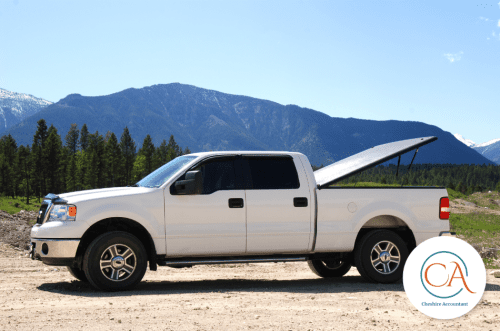
25 Feb Changes to Double Cab Pickup Taxation After the Labour Budget
Understanding the Changes to Double Cab Pickup Taxation
The Labour Budget has introduced significant changes to the taxation and classification of double cab pickups, set to take effect from April 2025. These changes could impact trade businesses and individuals who rely on these vehicles for work. To help you navigate these updates, we’ve compiled a list of frequently asked questions (FAQs) covering everything from tax implications to practical steps you can take to prepare. Whether you’re self-employed or running a trade business, this guide will provide clarity and actionable advice.
Q1: What is changing for double cab pickups in the Labour Budget?
A: The Labour Budget introduces new tax and policy changes for double cab pickups, effective from April 2025. These changes include stricter criteria for classifying vehicles as commercial, adjustments to capital allowances, and potential increases in Vehicle Excise Duty (VED) for less fuel-efficient models.
Q2: Why are double cab pickups being reclassified?
A: Double cab pickups have historically been classified as commercial vehicles due to their utility for trade businesses. However, their car-like interiors and passenger-carrying capabilities have placed them on the borderline. The government is tightening the rules to ensure only vehicles meeting stricter payload, usage, and emissions criteria qualify as commercial vehicles.
Q3: How will the reclassification affect my taxes?
A: If your double cab pickup is reclassified as a car, you may face:
- Higher Benefit-in-Kind (BIK) rates for company car users.
- Reduced capital allowances for businesses.
- Increased tax bills for both employers and employees.
Q4: What are the new criteria for commercial vehicle status?
A: The government will scrutinise:
- Payload capacity.
- How the vehicle is used (e.g., primarily for work).
- How the vehicle is marketed.
If your pickup doesn’t meet the revised criteria, it may be treated as a car for tax purposes.
Q5: How will capital allowances change for double cab pickups?
A: Businesses may face restrictions on claiming full expensing for vehicles that don’t meet stricter emissions standards. This could reduce the tax relief available when purchasing new double cab pickups.
Q6: Will road tax (VED) increase for double cab pickups?
A: Yes, older and less fuel-efficient models, particularly diesel pickups, may see higher VED rates as part of the government’s push for greener policies.
Q7: When will these changes take effect?
A: The changes will come into effect from:
- 1 April 2025 for corporation tax.
- 6 April 2025 for income tax.
Q8: How will these changes impact my trade business?
A: If you’re self-employed or run a trade business, you may face:
- Higher tax bills due to reclassification and reduced reliefs.
- Increased running costs from higher VED and potential Clean Air Zone charges.
- More paperwork to prove your vehicle’s commercial use.
Q9: What can I do to prepare for these changes?
A: You can:
- Review your fleet to ensure your vehicles meet the new commercial criteria.
- Explore greener options, such as electric or hybrid pickups, which often come with tax breaks.
- Consult an accountant to maximise tax reliefs and ensure compliance.
Q10: Are there any benefits to switching to electric or hybrid pickups?
A: Yes, electric and hybrid models often qualify for tax breaks, lower running costs, and exemptions from Clean Air Zone charges. They may also help future-proof your business against stricter emissions regulations.
Q11: Where can I get tailored advice for my trade business?
A: If you’re unsure how these changes affect you, contact us for personalised advice. We’ll help you navigate the new rules and find the best route forward for your business.
Q12: Can I still claim tax relief on my double cab pickup?
A: Yes, but the amount of relief may be reduced if your vehicle is reclassified as a car or doesn’t meet the new emissions standards. An accountant can help you identify the best ways to maximise your claims.
Q13: Will these changes affect all double cab pickups?
A: Not necessarily. If your pickup meets the new commercial vehicle criteria (e.g., sufficient payload capacity and primarily used for work), it may still qualify for favourable tax treatment.
Q14: What should I do if I’m planning to buy a new double cab pickup?
A: Before purchasing, check the vehicle’s payload capacity, emissions, and how it’s marketed. Consider greener alternatives and consult an accountant to understand the tax implications.
Q15: How can I prove my double cab pickup is used for work?
A: Keep detailed records of how the vehicle is used, such as mileage logs, invoices, and job sheets. This evidence may be required to support your claim for commercial vehicle status.
If you have further questions or need advice tailored to your trade business, feel free to get in touch. We’re here to help you stay compliant and minimise the impact of these changes.